


Nylon in Bag Fabrics: A Comprehensive Overview
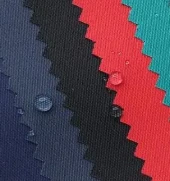
I.Overview of Nylon
-Chemical Name: Polyamide Fiber
-Origin: Petroleum derivatives (modern innovations include bio-based and recycled nylon).
-Key Traits: Outstanding strength-to-weight ratio, abrasion resistance, lightweight, and easy maintenance.
II. Key Characteristics
Advantages:
1.Exceptional Abrasion Resistance: Superior to natural fibers and polyester (especially when wet).
2.High Strength & Tear Resistance: Withstands heavy loads and impact.
3.Lightweight: Ideal for travel, outdoor, and everyday bags.
4.Elasticity & Recovery: Resists permanent creasing and maintains shape.
5.Low Water Absorption & Quick-Drying: Inherent water-repellency; dries rapidly.
6.Ease of Dyeing & Colorfastness: Vibrant colors with good fade resistance.
7.Chemical Resistance: Tolerant to alkalis and dilute acids.
8.Versatility in Finishing: Easily coated (waterproof, scratch-resistant) or laminated.
9.Cost-Effectiveness: More affordable than premium materials like leather.
Limitations:
1.Poor UV Resistance: Prolonged sun exposure causes yellowing, brittleness, and strength loss (mitigated by UV inhibitors).
2.Oil Affinity: Prone to oil stains; requires stain-resistant treatments.
3.Thermal Sensitivity: Melts at ≈215℃; low ironing tolerance.
4.Low Initial Modulus: Can lack rigidity (improved via coatings or blends).
5.Static Buildup: Attracts dust in dry environments.
6.Environmental Impact: Petroleum-based (offset by recycled alternatives).
III. Common Types of Nylon in Bags
1.By Fiber/Yarn:
-Filament: Smooth, high-strength (e.g., linings, lightweight shells).
-Staple Fiber: Cotton-like feel (e.g., canvas-style bags).
-High-Tenacity Yarn:Used in technical fabrics (e.g., Cordura®, ballistic nylon).
2.By Fabric Style:
-Oxford Nylon: Durable, woven texture (e.g., 210D–1680D for laptop/travel bags).
-Ballistic Nylon: Ultra-tight weave; military-grade toughness (backpacks, tool bags).
-Cordura®: Branded high-performance nylon 6,6 (abrasion/UV-resistant; premium outdoor/tactical gear).
-Taffeta/Lining Nylon: Lightweight, smooth interior fabric.
-Coated/Laminated Nylon: PU/PVC-coated or TPU-laminated for 100% waterproofing (e.g., rain covers, luggage shells).
-Ripstop Nylon: Grid-reinforced weave to prevent tear propagation.
-Recycled Nylon: Sustainable alternative (e.g., ECONYL® from waste).
IV. Applications in Bags
-Travel: Luggage shells, duffels (600D–1680D oxford/coated nylon).
-Backpacks:
-Outdoor: Cordura®/ballistic nylon (abrasion zones), mesh panels (ventilation).
-Commuting:420D–600D oxford, tech-focused designs.
-Fashion Bags: Printed/jacquard nylon (e.g., Prada' s signature nylon).
-Specialized Gear: Camera bags, medical/tactical packs (high-denier technical fabrics).
- Accessories: Webbing, straps, linings.
V. Care & Maintenance
1.Cleaning:
-Spot-clean with mild soap + cold water.
-Machine wash (gentle cycle, cold) only if label-approved; use a laundry bag.
-Avoid bleach, fabric softeners, and hot water.
2.Drying:
-Air-dry in shade; reshape while damp. Never tumble-dry or sun-dry.
3.Storage:
-Keep fully dry in cool, ventilated areas.
-Use breathable dust bags (not plastic).
-Avoid mothballs (naphthalene damages nylon).
4.Special Care:
-Reapply DWR (Durable Water Repellent) spray for water-shedding renewal.
-Iron sparingly at low heat (<110°C) with a cloth barrier.
-Blot oil stains immediately; test cleaners on hidden areas.
VI. Key Considerations
-Nylon vs. Polyester: Nylon is softer, more abrasion-resistant, and dyes brighter but less UV-stable. Polyester is stiffer, more UV-resistant, and cheaper.
-Sustainability: Recycled nylon (e.g., ECONYL®) reduces ecological impact.
-Innovations: Ultrafine fibers, bio-nylon, and advanced coatings enhance luxury/functional appeal.
Conclusion
Nylon dominates bag manufacturing due to its unparalleled durability, lightweight nature, and adaptability. From rugged backpacks to luxury totes, its technical evolution-especially in eco-friendly and high-performance variants-ensures its enduring relevance. Proper care (notably UV/heat avoidance) maximizes longevity, making nylon a smart investment for demanding use.
