


Technical Profile: Bast Fiber Fabrics For Bag Manufacturing Linen (Flax), Hemp, Jute & Ramie Fabrics
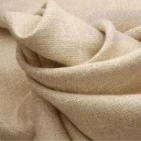
I.Material Characteristics
Bast fiber fabrics – primarily flax (linen) and jute – derive from phloem fibers of dicot plants. Valued for natural aesthetics and eco-credentials, they occupy a unique niche in bag design.
1.Eco-Sustainability:
-Renewable plant-based origin requiring 50-70% less irrigation than cotton
-Minimal pesticide usage (particularly rain-fed flax cultivation)
-Biodegradable with low environmental persistence
2.Moisture Management:
-Hollow fiber microstructure enables rapid vapor absorption/diffusion (>500g/m²/24hr ISO 15496)
-Ideal for warm-weather bags due to thermoregulating properties
3. Structural Integrity:
-Highest tensile strength among natural fibers (5-7cN/dtex dry; 20% stronger wet)
-Exceptional tear resistance in coarse, tight weaves
-Progressive fibrillar alignment enhances suppleness without compromising durability
4.Aesthetic Signature:
-Natural slubs, irregular texturing, and artisanal irregularities
-Flax: Balanced drape with inherent crispness
-Jute: Rigid hand-feel and pronounced texture
-Subtle luster in premium flax grades
5.Hypoallergenic Performance:
-Low static propensity and dust repellency
-Dermatologically inert with skin-friendly properties
6.Creasing Behavior:
-Low elastic recovery (≤55% ASTM D3107) creates characteristic wrinkles
-Intentionally embraced as "organic texturing" in casual designs
7.Dimensional Stability:
-Initial wash shrinkage: 3-8% (mitigated by sanforization)
8.Surface Morphology:
-Initial fibrillation (pilling) diminishes with use, contributing to patina
9.Colorfastness:
-Good dye affinity but prone to crocking in deep shades without cationic fixatives
II. Bag Applications
1.Casual Segments:
-Totes:Dominant application leveraging breathability/strength (canvas-linen blends preferred)
-Bucket Bags:Complementary drape for unstructured silhouettes
-Eco-Shoppers:Lightweight construction with biodegradability
-Drawstring Sacks:Maximized natural texture expression
2.Nature-Inspired Aesthetics:
-Primary material for rustic, boho, and minimalist designs
3.Sustainable Collections:
-Flagship fabric for circular economy initiatives
4.Blend Engineering:
-Cotton-Linen:Enhanced drape with reduced wrinkling
-Synthetic Blends (PES/PA): Improved abrasion resistance (Martindale ≥15k)
-Lyocell Blends:Elevated luster and fluid drape
5.Accent Applications:
-Straps, piping, contrast panels, and interior linings
III. Care Protocol
Cleaning:
-Spot clean with cold water (<30°C)
-Hand wash: Neutral pH detergent (6.0-7.5), minimal agitation
-Machine wash (if certified): Delicate cycle in mesh bag, cold water, no spin
-Dry clean for complex constructions
Drying:
-Contraindications:Tumble drying (causes fibrillation)
-Blot with absorbent towel
-Air-dry inverted on flat surface away from UV exposure
Finishing:
-Iron at 200-230°C with steam injection
-Press reverse side using press cloth to prevent glazing
Storage:
-Acid-free paper stuffing to maintain shape
-Breathable cotton storage bags
-Climate-controlled environment (RH<65%)
IV. Technical Supplement
Fabric Engineering:
-Yarn Count: Higher counts (Nm>24) yield softer hands
-Finishes:
-Bio-polishing (enzyme treatment) reduces pilling
-WR/COR finishes compromise breathability
Patina Development:
-Natural aging enhances character through:
-Chromatic softening (particularly undyed ecru)
-Permanent crease patterns ("memory texturing")
-Progressive fiber relaxation
Performance Boundaries:
-Excluded from structured business cases
-Vulnerable to snagging despite abrasion resistance
-Higher mass-to-strength ratio than technical synthetics
Summary
Bast fibers deliver unmatched moisture management, mechanical robustness, and biogenic aesthetics for casual/eco-conscious bags. Their distinctive creasing requires user acceptance, while meticulous cold-wash protocols ensure longevity. Strategic blending and finishes address inherent limitations, with natural patina development constituting core material value.
